
What is Minimally Invasive Total Knee Replacement?
Understanding the Game-Changer in Knee Surgery
Knee pain and stiffness can be debilitating, affecting your mobility and overall quality of life. For those who have exhausted non-surgical treatments, such as physical therapy and medications, knee replacement surgery becomes a potential solution. In the past, traditional knee replacement surgery involved large incisions and longer recovery periods, but advancements in orthopedic surgery have introduced a game-changing technique known as Minimally Invasive Total Knee Replacement.
The Basics of Minimally Invasive Total Knee Replacement
Smaller Incisions, Bigger Benefits
Minimally invasive knee replacement is performed through shorter incisions, typically ranging from 4 to 6 inches, compared to the 8 to 10 inches used in traditional knee replacement. The smaller incisions result in less tissue disturbance, leading to reduced postoperative pain, swelling, and scarring.
This approach offers numerous advantages, making it a popular choice for patients seeking faster recovery and improved outcomes.
Embracing the Less Invasive Technique
The technique used to access the knee joint in minimally invasive knee replacement is designed to be less invasive. Commonly referred to as “quadriceps sparing,” this approach aims to avoid trauma to the quadriceps tendon and muscles in the front of the thigh.
Another minimally invasive technique called “midvastus” or “subvastus” involves making small incisions in the muscle. These techniques further minimize tissue disruption, contributing to shorter recovery times and improved patient comfort.
Candidates for Minimally Invasive Total Knee Replacement
Minimally invasive total knee replacement is not suitable for all patients. Your doctor will conduct a thorough evaluation and consider several factors before determining if the procedure is an option for you.
In general, candidates for minimal incision procedures are thinner, younger, healthier and more motivated to participate in the rehabilitation process, compared with patients who undergo the traditional surgery.
Minimally invasive surgeries may be less suitable for patients who are overweight or who have already undergone other knee surgeries. In addition, patients who have a significant deformity of the knee, those who are very muscular, and those with health problems that may slow wound healing may be at a higher risk for problems from minimally invasive total knee replacement.
Risks and Complications of Minimally Invasive Total Knee Replacement
Minimally invasive knee replacement is an evolving area and more research is needed on the long-term function and durability.
The benefits of minimally invasive knee replacement have been reported to include less damage to soft tissues, leading to a quicker, less painful recovery and more rapid return to normal activities. Current evidence suggests that the long-term benefits of minimally invasive surgery do not differ from those of knee replacement performed with the traditional approach.
Like all surgery, minimally invasive surgery has a risk of complications. These complications include infection, wound healing problems, blood clots, nerve and artery injuries, and errors in positioning the prosthetic knee implants.
Like traditional knee replacement surgery, minimally invasive surgery should be performed by a well-trained, highly experienced orthopaedic surgeon. Dr. Marshall-Rodriguez, with more than 7,500 knee replacements over 19.5 years of practice, will talk to you about her experience with minimally invasive knee replacement surgery, and the possible risks and benefits of the techniques for your individual treatment.
The Procedure Process at Destination Surgery:
Pre-Operative Consultation
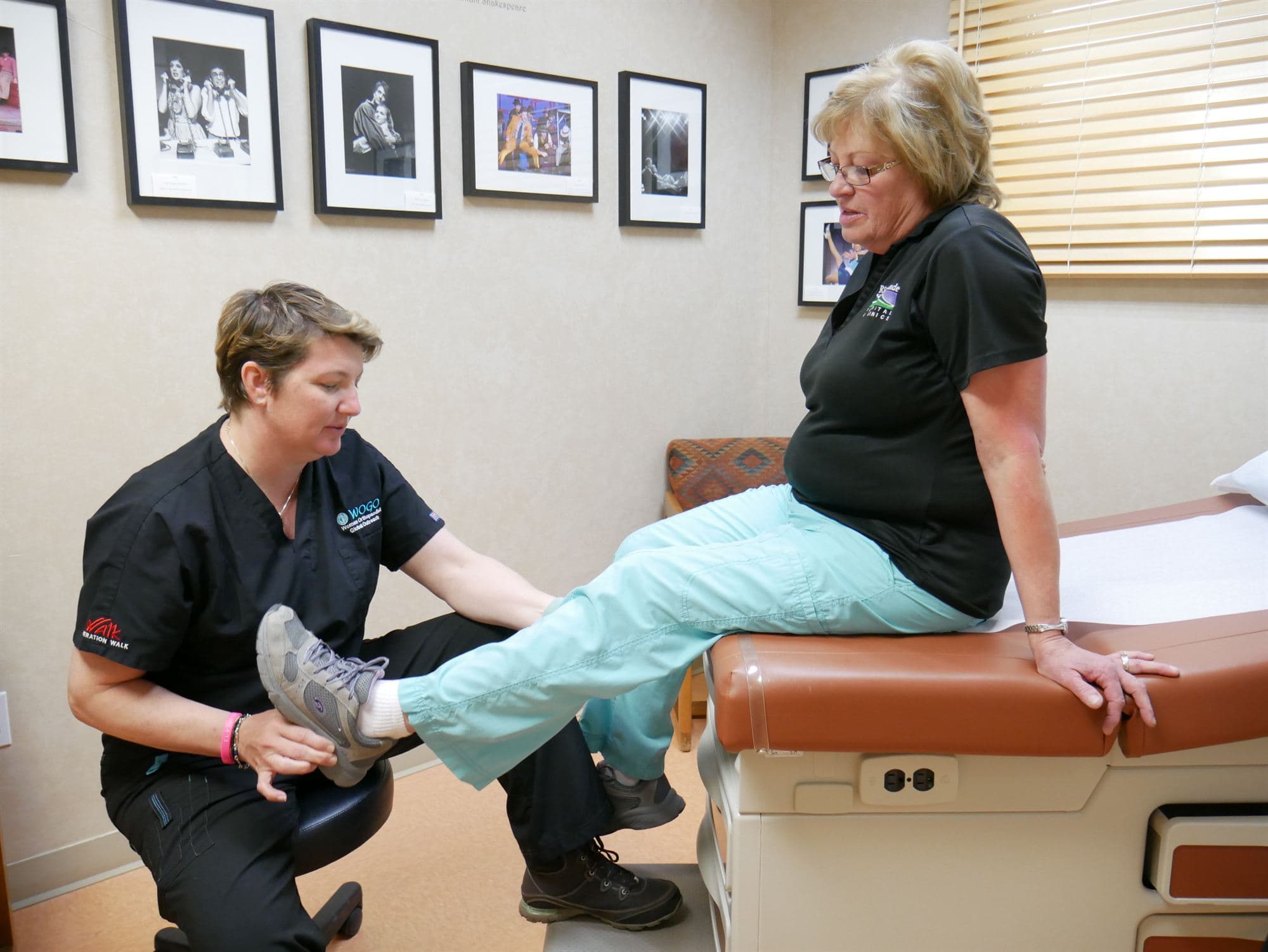
During the pre-operative consultation, Dr. Amanda Marshall-Rodriguez will carefully assess your medical history, conduct a comprehensive physical examination, and discuss your treatment goals. This personalized approach ensures that all aspects of your health and well-being are taken into account before proceeding with the surgery.
Surgical Preparation
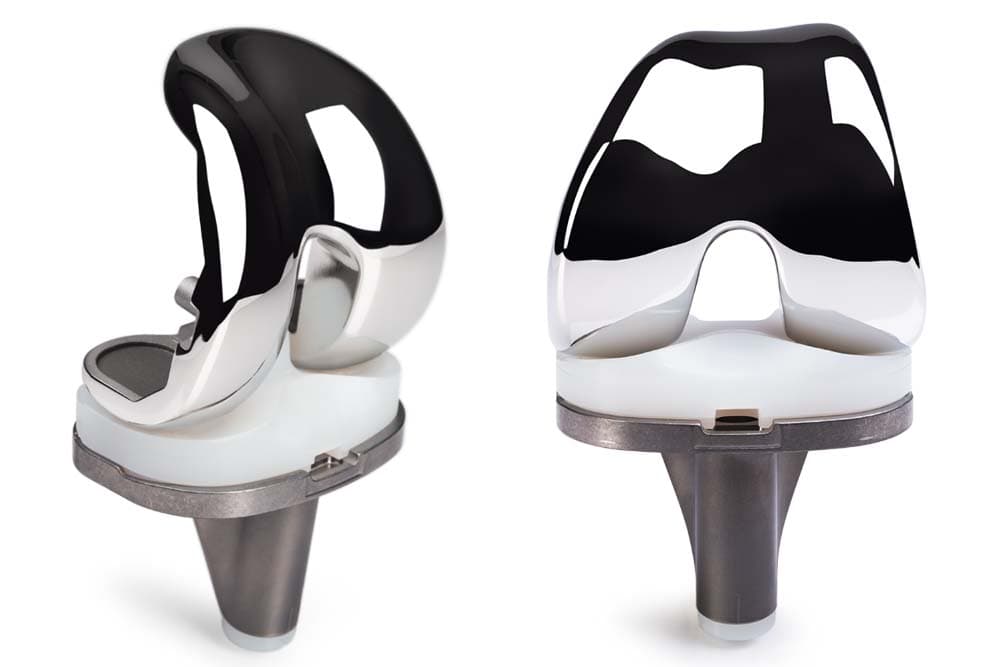
Surgical preparation is a well-orchestrated process that begins with detailed planning and comprehensive assessments. Dr. Marshall-Rodriguez and her team will go over the procedure step-by-step, answering any questions you may have and addressing any concerns. This collaborative approach ensures that you feel fully informed and confident as you prepare for the transformational journey ahead.
Minimally Invasive Surgery
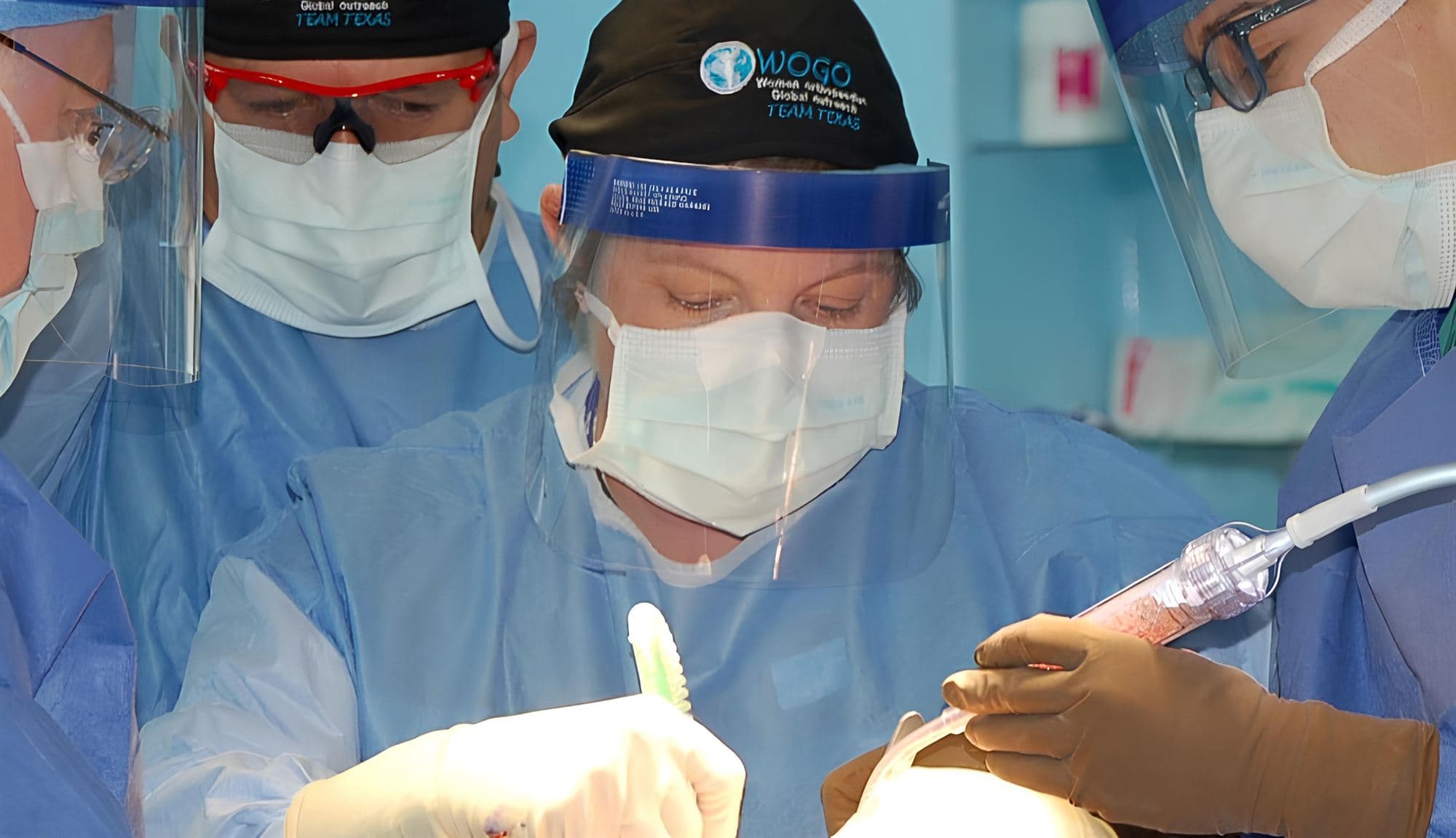
Dr. Marshall-Rodriguez's expertise in minimally invasive knee replacement is a game-changer in the field of orthopedics. Through small incisions and advanced techniques, she skillfully performs the surgery with minimal disruption to healthy tissue, resulting in less postoperative pain and a quicker recovery. You can trust that you're in the hands of a true pioneer in this innovative approach.
Post-Operative Care
The support doesn't end with the procedure. After your minimally invasive knee replacement, Dr. Marshall-Rodriguez will guide you through a comprehensive post-operative care plan. This includes physical therapy sessions tailored to your specific needs, aimed at maximizing your range of motion, restoring strength, and helping you regain your active lifestyle. You'll be walking with assistance the day of surgery, and on average, walking unassisted within 4 to 6 days.
Benefits of Minimally Invasive Knee Replacements:
Faster Recovery:
Minimally invasive techniques result in smaller incisions, leading to reduced tissue trauma and faster healing times. This means you can return to your regular activities and enjoy a better quality of life sooner.
Reduced Scarring:
With smaller incisions, the resulting scars are often smaller and less noticeable compared to traditional open surgery. This can enhance your confidence and allow you to feel more comfortable in your own skin.
Less Pain and Discomfort:
Minimally invasive procedures typically involve less disruption to surrounding tissues, resulting in less pain and discomfort during and after the surgery. This can contribute to a smoother recovery process.
Lower Risk of Infection:
Minimally invasive techniques can minimize the exposure of the surgical site to external contaminants, reducing the risk of infection compared to open surgery. This adds an extra layer of safety to the procedure.
Preserved Healthy Tissue:
Minimally invasive approaches aim to preserve as much healthy tissue as possible while addressing the affected area. This can help maintain the natural biomechanics of the knee and potentially lead to better long-term outcomes.
Improved Cosmesis:
Minimally invasive knee replacements can result in a more aesthetically pleasing outcome, with smaller scars and a more natural appearance. This can be particularly important for individuals who value the cosmetic aspect of the procedure.
Wondering if You're a Candidate?
Contact us for a consultation with Dr. Marshall-Rodriguez. She will evaluate your individual case and walk you through every option.